

The modern classroom is evolving rapidly, and creating tech friendly educational spaces is now essential for effective learning. Schools, universities, and training centers are integrating technology not just as a supplement, but as a fundamental element of education. These spaces are designed to enhance student engagement, improve collaboration, and support educators in delivering interactive, adaptive lessons. Understanding what makes an educational space tech-friendly can guide institutions in creating environments that foster creativity, critical thinking, and innovation.
Characteristics of Tech Friendly Educational Spaces
Tech friendly educational spaces are distinguished by several key characteristics that facilitate learning and innovation. First, connectivity is essential. Reliable high-speed internet, sufficient bandwidth, and wireless access points ensure that students and teachers can access digital resources seamlessly. Classrooms without consistent connectivity can hinder learning and disrupt lessons, highlighting the importance of infrastructure in a tech-friendly environment.
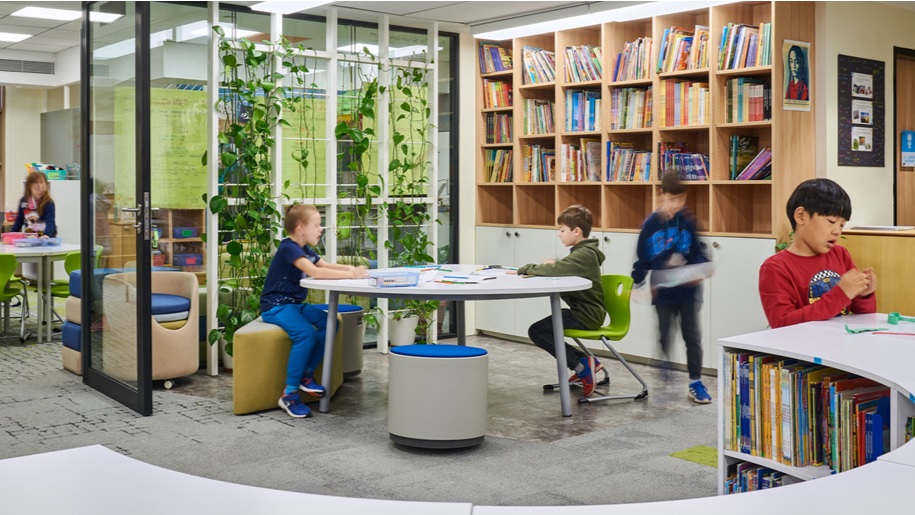
Next, flexibility plays a critical role. Furniture and layouts should be adaptable to different teaching methods, collaborative projects, and individual learning styles. Movable desks, modular seating, and multifunctional tables allow educators to transform spaces quickly, accommodating lectures, group activities, or technology-driven workshops. Flexible layouts also support hybrid learning models, where some students may participate virtually while others are physically present.
Integration of technology is another defining feature. Tech friendly educational spaces are equipped with interactive whiteboards, projectors, tablets, and digital devices that complement lesson plans. Charging stations, device storage, and digital management systems ensure that equipment is easily accessible and maintained. These tools allow educators to present content dynamically, track student progress, and provide immediate feedback.
Benefits of Tech Friendly Educational Spaces
Creating tech friendly educational spaces offers numerous benefits to students, teachers, and the institution as a whole. For students, technology-enhanced environments promote engagement and motivation. Interactive tools and multimedia resources appeal to various learning styles, whether visual, auditory, or kinesthetic. Gamified learning platforms, simulations, and virtual labs create immersive experiences that make abstract concepts tangible and easier to understand.
For educators, tech friendly spaces streamline teaching and assessment processes. Digital platforms allow teachers to manage assignments, monitor student participation, and analyze learning outcomes efficiently. This reduces administrative workload and enables instructors to focus on personalized instruction, catering to the needs of individual learners.
At an institutional level, tech friendly educational spaces demonstrate a commitment to innovation and 21st-century learning. Such spaces can attract students and educators who value modern, forward-thinking environments. They also foster a culture of continuous improvement, where technology is leveraged to enhance educational quality and outcomes.
Designing and Implementing Tech Friendly Educational Spaces
Designing tech friendly educational spaces involves careful planning, collaboration, and strategic investment. The first step is to assess the specific needs of the institution and its learners. Factors such as class size, curriculum requirements, and technological literacy of students and staff should inform design choices. This ensures that the space supports learning objectives rather than merely showcasing equipment.
Next, selecting the right technology is crucial. Interactive displays, laptops or tablets, virtual reality stations, and collaboration software should align with educational goals. Ensuring that technology is user-friendly and easily integrated into lessons minimizes disruptions and maximizes adoption. Additionally, infrastructure such as power outlets, network stability, and device management systems must be carefully planned to support consistent use.
Teacher training is an integral component of tech friendly educational spaces. Educators must be comfortable with technology to use it effectively. Professional development programs that focus on integrating digital tools into lesson plans, managing virtual classrooms, and leveraging online resources help teachers maximize the potential of these spaces.
Finally, the physical environment should enhance comfort and productivity. Adequate lighting, acoustics, and temperature control contribute to a conducive learning atmosphere. Ergonomic furniture, soundproofing, and designated collaboration areas create a balance between focused individual work and interactive group activities. By considering both technological and environmental aspects, institutions can create spaces that truly support modern learning.
Future Trends in Tech Friendly Educational Spaces
The concept of tech friendly educational spaces continues to evolve as technology advances. Artificial intelligence, augmented reality, and virtual reality are becoming increasingly integrated into learning environments. These tools provide personalized instruction, simulate real-world scenarios, and create immersive educational experiences that were previously impossible.
Additionally, hybrid and remote learning models are shaping how educational spaces are designed. Classrooms now need to accommodate both in-person and virtual learners simultaneously. Advanced video conferencing, interactive software, and cloud-based collaboration tools are becoming standard features in tech friendly spaces.
Sustainability is another emerging trend. Educational institutions are increasingly seeking energy-efficient technology, eco-friendly furniture, and digital solutions that reduce paper use. Tech friendly educational spaces that incorporate sustainable practices not only support learning but also instill environmental responsibility among students.
By keeping pace with technological advancements, institutions can create adaptable, engaging, and future-ready learning environments. Tech friendly educational spaces are more than just classrooms—they are hubs of innovation that prepare students for the demands of a rapidly changing world.

Comments are closed.