
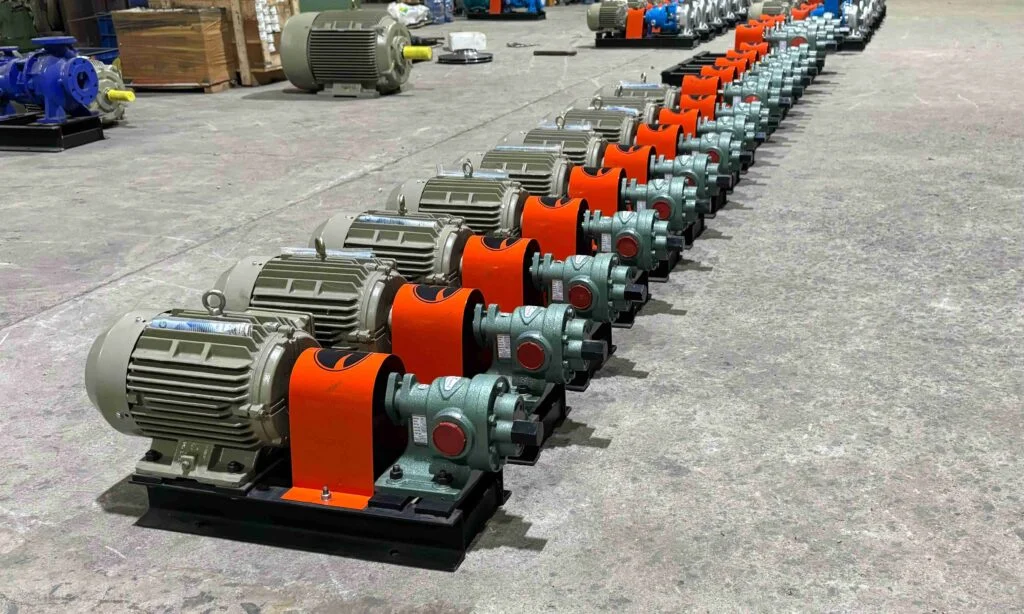

Gear pumps are one of the most versatile and widely used types of pumps in industrial applications. Their ability to handle various fluids with precision makes them indispensable in sectors ranging from chemical processing to lubrication systems. Understanding the different types of gear pumps and their specific industrial uses can help businesses optimize efficiency, reduce maintenance costs, and ensure smooth operations. This guide explores the most common gear type pumps, their functionality, and their applications in diverse industries.
Understanding Gear Pumps
At their core, gear pumps operate using the meshing of gears to transfer fluid. The movement of the gears creates a suction effect at the inlet, drawing fluid in, and then forces it out through the discharge. This mechanism allows for precise control over fluid flow, even at high pressures. Gear pumps are valued for their reliability, compact design, and ability to handle a wide range of fluid viscosities, from light oils to heavy industrial fluids.
Gear type pumps are often categorized into two primary types: external gear pumps and internal gear pumps. Each type has its unique design characteristics and advantages, making them suitable for specific industrial applications.
External Gear Pumps
External gear pumps consist of two interlocking gears, known as the driving gear and the driven gear. These gears rotate in opposite directions within a precisely machined housing. Fluid is trapped in the gear teeth spaces and transported from the inlet to the outlet. This simple yet effective design allows external gear pumps to handle consistent flow rates with minimal pulsation.
External gear pumps are commonly used in hydraulic systems, lubrication systems, and fuel transfer applications. Their robust design makes them ideal for handling moderately viscous fluids, such as oils and light chemicals. Industries like automotive manufacturing and machinery production frequently rely on external gear pumps to maintain precise lubrication and hydraulic performance.
Internal Gear Pumps
Internal gear pumps feature a different design, consisting of a rotor inside a larger, idler gear. This arrangement creates crescent-shaped cavities that carry the fluid from the inlet to the outlet. Internal gear pumps are particularly effective for handling high-viscosity fluids and fluids containing some solid particles.
Due to their gentle pumping action, internal gear pumps are often preferred in chemical processing and food industries. They provide consistent, low-pulsation flow, making them ideal for applications requiring precise dosing or metering. Chemical gear pumps, a subset of internal gear pumps, are designed specifically to handle corrosive or aggressive chemicals, ensuring safe and efficient fluid transfer.
Magnetic Drive Gear Pumps
Magnetic drive gear pumps are a variation that eliminates the need for a direct mechanical shaft seal. Instead, they use a magnetic coupling to transfer torque from the motor to the pump gears. This design significantly reduces the risk of leakage, making these pumps suitable for handling hazardous or toxic fluids.
Magnetic drive gear pumps are widely used in chemical processing, pharmaceutical production, and other industries where containment and safety are critical. Their leak-free design, combined with the precision of gear pumping, ensures reliable performance even in demanding environments.
Precision and Metering Applications
One of the key advantages of gear type pumps is their ability to deliver precise and consistent flow rates. This makes them ideal for metering applications, where accurate fluid measurement is critical. Industries such as chemical dosing, laboratory processes, and food production frequently rely on gear pumps to maintain exact fluid volumes.
In addition to precision, gear pumps excel at handling viscous fluids that may pose challenges for other types of pumps. High-viscosity fluids, including lubricants, resins, and adhesives, can be effectively transported using gear pumps without causing damage to the pump components.
Maintenance and Operational Considerations
Although gear pumps are known for their durability, proper maintenance is essential to ensure long-term performance. Regular inspection of gear clearances, seals, and bearings can prevent premature wear and maintain consistent flow rates. In chemical applications, using corrosion-resistant materials such as stainless steel can extend the lifespan of chemical gear pumps.
Operating conditions, such as temperature and pressure, should also be carefully monitored. Gear pumps are generally capable of handling a wide range of pressures, but exceeding recommended limits can cause damage or reduce efficiency. Choosing the right type of gear pump for the specific fluid and application is critical for achieving optimal performance.
Industrial Applications of Gear Pumps
Gear pumps are integral to numerous industrial processes due to their versatility and reliability. Some common applications include:
- Chemical Processing: Chemical gear pumps handle corrosive, abrasive, or viscous fluids, ensuring safe and efficient transfer in chemical manufacturing plants.
- Lubrication Systems: Gear-type pumps provide consistent flow for machinery lubrication, reducing friction and wear in industrial equipment.
- Food and Beverage Production: Internal gear pumps transport syrups, oils, and other food-grade fluids while maintaining hygiene and precise dosing.
- Petrochemical Industry: External gear pumps efficiently handle petroleum-based products, fuels, and oils in refineries and fuel distribution systems.
- Pharmaceutical Industry: Magnetic drive gear pumps ensure leak-free transfer of sensitive chemicals and pharmaceutical ingredients, maintaining safety and quality standards.
Choosing the Right Gear Pump
Selecting the appropriate gear pump requires careful consideration of several factors. These include fluid type, viscosity, flow rate, pressure requirements, and chemical compatibility. Understanding the differences between external, internal, and magnetic drive gear pumps allows engineers and operators to make informed decisions, ensuring reliable and efficient operation. Consulting with experts and evaluating pump specifications against operational needs can prevent costly downtime and optimize industrial processes.
Gear pumps play a crucial role in modern industrial operations, providing precise, reliable, and efficient fluid transfer. From chemical gear pumps designed for corrosive substances to external gear pumps used in lubrication systems, these versatile machines support a wide range of applications. Understanding the different types of gear pumps and their industrial uses empowers businesses to optimize performance, improve safety, and enhance productivity. Whether for high-precision metering, handling viscous fluids, or ensuring leak-free chemical transfer, gear type pumps remain a cornerstone of industrial fluid management.

Comments are closed.